Without a beautiful planet, there is no beautiful game.The planet is a playground. It's where we connect, explore, and find ourselves. But today, climate change is affecting the way we play.Yes, we know we are part of the problem and as a leading sports brand, we acknowledge our role. That’s why we are committed to reducing our impact on the environment through sustainable operations, materials and supply chain.
Our ProgressOver the years, we’ve made significant progress, and we’re continuing to push forward. Here are some of our key achievements from 2025. But these are only some of the steps we’ve taken — for a full overview of our initiatives, please visit our annual report.2025 Annual Report
9% less carbon emissions per product in 2025 compared to 2022.We achieved this by:
- Using more renewable electricity in our facilities and across our supply chain.
- Reducing coal dependence in our supply chain.
- Increasing our use of lower-carbon materials.Read more
60% of our materials are recycled or sustainably sourced*.This was driven by increased use of materials such as recycled polyester, certified cotton, and wool across our products and packaging.
*Textile Exchange refers to these as fibers produced from renewable resources, such as plants or agricultural waste, using practices that minimize environmental impact throughout the lifecycle.More details can be found here
98% of our product protection bags were made of recycled plastic and 85% of our primary cardboard packaging was recycled.Read more
OUR JOURNEYWe believe through sport, we have the power to change lives.
For more than a decade, we've been making our shots count.
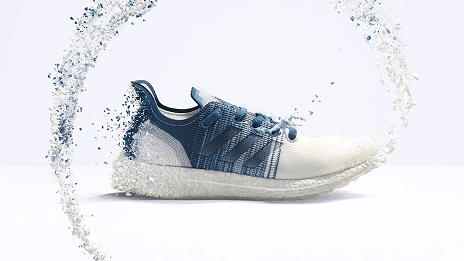
2025adidas led and completed the EU-funded research project called T-REX which aimed at creating a scalable blueprint for sorting and recycling household textile waste in a closed loop across Europe. Its results now inform adidas’ circularity strategy and efforts to drive industry-wide change. 2024We launched the a “Choose to Repair” pilot project in some selected markets, testing a service model that extends product lifespan by offering repair options, both in physical retail and online trials. 2023In 2023, we launched our global initiative called Move For The Planet, which focused on improving the places where we play sports. Partnering with Common Goal and United Nations Climate Change we raised funds for projects that provide education on sustainability and help make sports facilities more resilient against heat waves, flooding and other extreme weather conditions. 2023Since 2023, 99% of the polyester used in adidas products is recycled polyester. Our recycled polyester is certified to GRS or RCS standard. 2022We collaborated with Infinited Fiber Company to create a hoodie made from textile waste-derived fibers, advancing fiber-to-fiber recycling solutions. 2021We launched our first resale program in the U.S. with ThredUp, with the aim to extend the lifecycle of sports performance & lifestyle apparel and footwear. 2021Adidas launched FUTURECRAFT.FOOTPRINT made in collaboration with Allbirds. This running shoe served as a proof of concept for calculating the carbon footprint of our products. 2020We successfully transitioned the Futurecraft.Loop concept to 'Made To Be Remade', evolving it from a prototype to a commercial collection. 2019We launched Futurecraft.loop, the first shoe that’s made entirely from one material, so it can be ground down and remade into something new after use. 2018As we continued to support global initiatives that aim to drive change for our industry, in 2018 we affirmed our commitment by signing the UN Fashion Industry Charter for Climate Action (UNFCCC). 2017We produced shoes made in part with Parley Ocean Plastic and partnered with Parley for the Oceans to host our global movement 'Run for the Oceans', which aimed to increase awareness about the issue of plastic pollution in the oceans. Athletes worldwide participated in the event, and the funds raised were used to educate and empower young people and their families in areas affected by plastic pollution. 2016We removed plastic shopping bags from our own global adidas retail stores. Our focus areasTo reduce our environmental impact, we are directing our efforts toward four key priorities:ClimateReducing our carbon footprint
MaterialsRethinking the materials used in our products
CircularityKeeping products and materials in play for longer
NatureSafeguarding natural resources
ClimateThe climate crisis is one of the greatest challenges of our time, and managing its impacts for our business operations is a strategic priority for adidas. As a global sports brand, we are adapting our business, reducing our own operations’ footprint and driving innovation - all with the ambition to mitigate our impact. Our Climate Transition Plan outlines our roadmap and ambition to reduce emissions by 2030 and setting the path toward our 2050 ambition.Read the full plan here Our progress and targetsScope 1 and 2 *:IN 2025, WE REDUCED OUR GREENHOUSE GAS EMISSIONS BY 22% COMPARED TO 2022.And by 2030, we aim for a 70% greenhouse gas reduction compared to 2022.+ Scope 1&2 GHG emissions*
Scope 3*:IN 2025, WE REDUCED OUR GREENHOUSE GAS EMISSIONS BY 5% COMPARED TO 2022.And by 2030, we aim for a 42% greenhouse gas reduction compared to 2022.+ Scope 3 GHG emissions*
Our Ambition:By 2050, We aim for awe aim to reduce our Scope 1,2 and 3 greenhouse gas emissions by 90% compared to 2022.Learn more about our key initiatives and the path to achieve our ambition.Read more
MaterialsProducing the materials we use is the biggest contributor to our environmental impact. That’s why we’re increasing the use of recycled and renewable materials that are sustainably sourced. At the same time we are exploring innovative solutions that reduce our impact without compromising product quality. RecycledMoving towards recycled materials allows us to reuse materials that have already been created. This helps with our ambition to use less of the planet’s resources and to lower the carbon footprint of our products.
Since 2023, 99% of all polyester used in our products is recycled polyester.
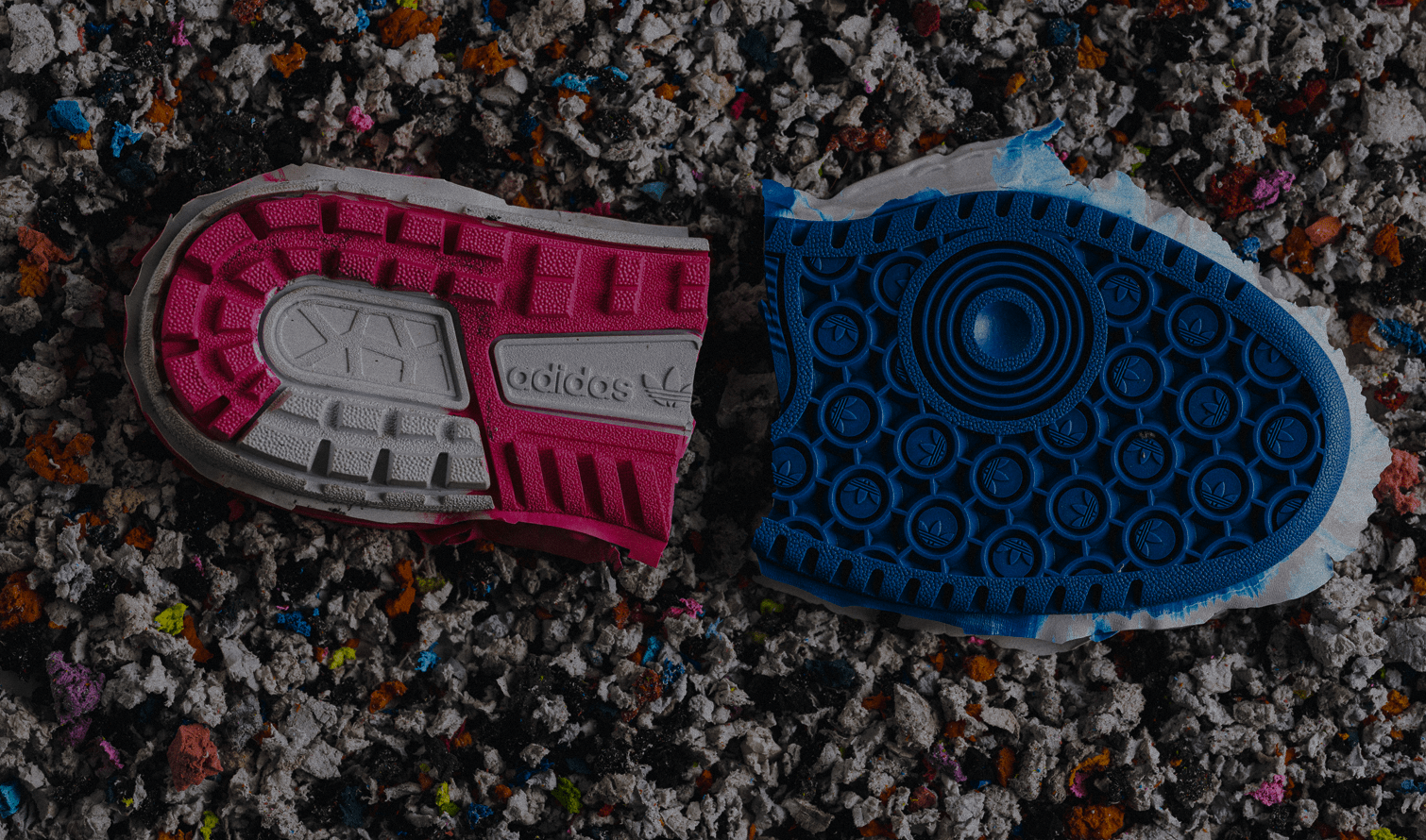
Our next targetWe are aiming for 10% of our polyester volume to come from recycled textile waste by 2030. This shift marks an evolution from recycling plastic bottles to reusing textile waste.
Sustainably Sourced Renewable MaterialsFinite resources aren’t infinite. Once they’re gone, they’re gone. So we're embracing materials from renewable resources because they can be grown again. But sourcing them can impact ecosystems, biodiversity, and local communities. Hence, we’re committed to using certified materials, as well as enhancing traceability and transparency across our supply chain.
Cotton:Since 2018, we’ve used only third-party certified cotton from standards such as Better Cotton Initiative and U.S. Cotton Trust Protocol, as well as organic cotton and recycled cotton.
Leather:99% of our leather is certified by the Leather Working Group, with most sourced from Gold-rated tanneries, the highest possible rating.
Down:100% of our down is certified under the Responsible Down Standard.
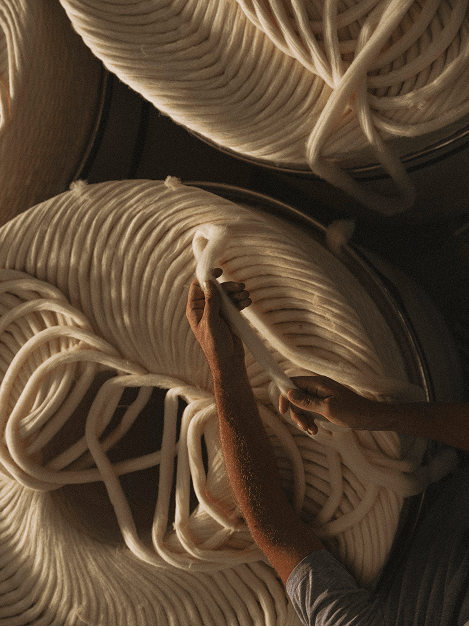
Wool:100% of the wool used in adidas our products is certified under the Responsible Wool Standard
CircularityCircularityWe are continuously looking for new ways in which we can extend the life of products and materials. For as long as possible. At adidas, we focus on where we can have the greatest impact and collaborate with partners across the value chain to help shape the way we operate. CREATEDesigning products with circularity in mindWe maximize the use of recycled and sustainably sourced renewable materials and target integrating textile waste as feedstock into 10% of our polyester by 2030.
CREATEDesigning products with circularity in mindWe maximize the use of recycled and sustainably sourced renewable materials and target integrating textile waste as feedstock into 10% of our polyester by 2030.
CREATEDesigning products with circularity in mindWe maximize the use of recycled and sustainably sourced renewable materials and target integrating textile waste as feedstock into 10% of our polyester by 2030.
NatureOur connection to nature is one of both reliance and responsibility. Some of the materials we use come directly from natural systems, and our operations can affect those same systems through water use, emissions, and chemical use. That’s why we focus on three priorities: protecting biodiversity, safeguarding water resources, and managing chemicals responsibly across our operations and supply chain. BiodiversityBiodiversity is essential for healthy natural ecosystems — including those linked to materials used in apparel and footwear, such as cotton, leather, and rubber. These ecosystems face growing pressure from deforestation, land conversion, and the way natural materials are produced. That's why responsible sourcing is central to how we operate. We are strengthening traceability, using more certified materials where available, and working closely with suppliers and industry partners toward our 2030 commitment to supply chains free from deforestation and ecosystem conversion. ChemicalsChemicals are essential to making high-performance products – but they can have an impact on people and the environment. We take a comprehensive approach to chemical management across our supply chain. We do this through promoting safer chemicals, monitoring the chemicals used in our manufacturing facilities, and managing wastewater output to prevent hazardous substances from entering the environment.
We work closely with a wide range of partners to uphold strict standards and develop lasting solutions. WaterWater is essential for life, and at adidas, we are committed to using it responsibly. We work to reduce our water footprint across our own operations and supply chain by improving efficiency, increasing water reuse where possible, and helping ensure wastewater is treated safely before it is released.
Because water risks vary by location, we assess those risks across our supply chain and support targeted water-saving initiatives where they can have the greatest impact. Learn more about our nature programs, targets and progress.
Our PartnersPartnerships are a big part of our work. Explore our key collaborations below:
CHANGING LIVES THROUGH SPORTFrom local partnerships to employee volunteering, explore how we're breaking down barriers through sport. Read the stories of the people and organizations helping us on our journey.Learn More